
Organic search drives 53% of all website traffic, making it the most significant source of online visibility (PageOptimizer Pro, 2025). To improve the chances of appearing on the front page of search engines, small businesses should review their Search Engine Optimization (SEO) practices and implement a comprehensive strategy. SEO is often overlooked, yet it plays a crucial role in targeting the right audience and improving website rankings. Investing in your SEO could be rewarding because small businesses investing in SEO see an average ROI of 400% within two years (PageOptimizer Pro, 2025). When developing an SEO strategy, several key areas should be reviewed to ensure a website effectively reaches potential clients or customers. These include:
Website
Audience
On-Page SEO
Local SEO
Social Media Integration
The use of A.I.
Website Evaluation For SEO

The first step I take is a thorough evaluation of the client’s website. During this process, I look for UX (User Experience) issues such as image sizing and clarity, color usage, content placement, text size, and the overall organization of information. After reviewing the visual and UX elements, I review the website copy, evaluate the keyword usage, blog structure, and internal linking, and identify any broken links that need to be fixed. Once I complete my evaluation and jot down my notes, I move on to researching the client's different audiences so I can get a better understanding of the client and their services from other perspectives.
Audience Research and SEO
Understanding your audience and the different segments you attract is a critical component of any successful SEO strategy. Audience research helps inform website design decisions, campaign development, and keyword selection, while also providing insight into how your business compares to competitors in the same space. One of the most valuable sources for this information is through website analytics. If the site doesn’t have analytics set up, here is a guide on how to set it up. It takes about a month to collect useful data to evaluate and create a strategy. Then it will take about three months to see how your changes to the site have worked.
If these analytics are already set up, a myriad of data should be available to you, such as:
Geography
Demographics
Behaviors
Device usage
These data points are important in gaining a more quantitative understanding of your audience. For example, these improvements could include making your website more mobile-friendly if there are more mobile users than desktop users on the site. Or knowing if there are broken links that you may have missed from the initial website evaluation. The quantitative data will show you who is reaching what on your site, and if they are getting to the proper pages that are being targeted for a campaign, or if they are reaching the products/services being offered.
When conducting audience research, it’s important to identify multiple audience segments, including:
Core audiences: The primary groups you serve
Adjacent audiences: Groups related to your core audience that could be engaged
Retargeting audiences: Visitors who have previously interacted but did not convert
Nurture audiences: Those who need additional information or incentives to convert
Hostile or skeptical audiences: Groups resistant to your offerings, where messaging may need to overcome objections
By understanding these segments, you can create a more strategic, data-driven SEO approach that drives engagement, conversions, and long-term growth.
Know your competition
Analyzing your competitors is a crucial step in shaping an effective SEO strategy. Start by evaluating the websites of local competitors, then expand to larger corporations in your industry to identify broader trends. Pay attention to keywords they target, customer reviews, promotions, and lead-generation tactics. This insight can help guide your own website structure, content strategy, and keyword selection, ensuring you stay competitive in search engine rankings.
On-Page SEO
When updating a website to improve SEO, focus on accessibility, keywords, and usage of internal links/backlinks. Website accessibility is important in helping those who may not be able to read the website. Some of the most important aspects of site accessibility include: page hierarchy, size of text, coloring on the page, and, most importantly, photo alt text. Photo alt text is used to describe images to those who may not be able to see the photos. This means that you need to be very descriptive when adding alt text to a photo. Adding keywords from your research to your headers and alt text will help improve your site's ranking on search engines.
These keywords should be used on your websites, your paid advertising, and even your paid media. These keywords need to relate to your business and the services that you provide. A very important tool used in keyword research is Semrush. Semrush can help with SEO overall, but it has a powerful keyword research tool that should help any business. In addition to keywords, it is very important to include internal links, external links, and network to get backlinks to your site. Internal links help guide a user from one place to another on your site, while backlinks are links to your website that appear on other sites. External links help give credibility because you are referencing another site and providing that information. Backlinks aren’t as easy to control, but with a bit of collaboration between other site users, you may be able to get your site linked on other websites.
Local SEO
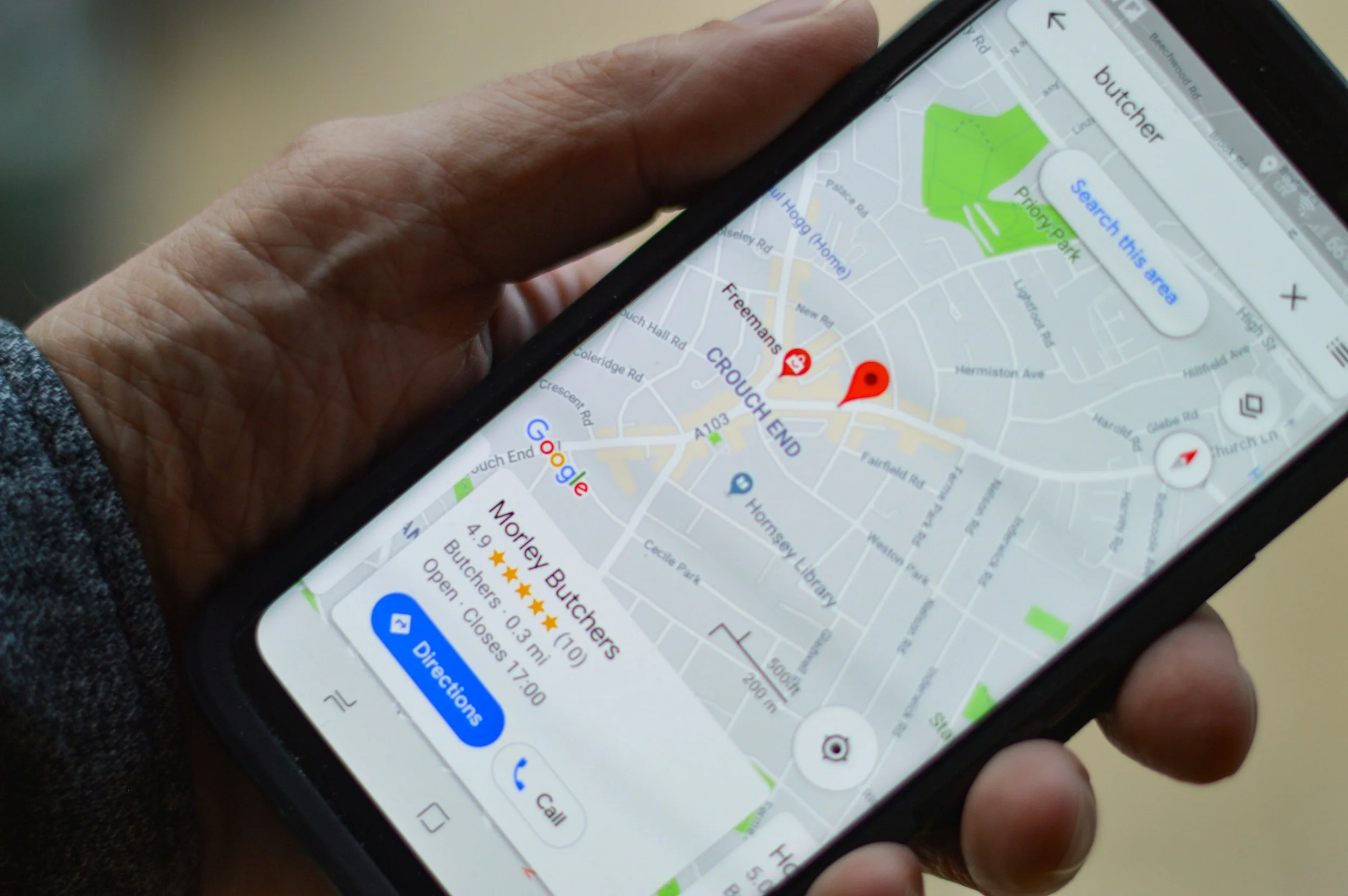
Local SEO is essential for businesses to connect with locals, as 46% of all Google searches have local intent (PageOptimizer Pro, 2025). By optimizing for local search, you increase your visibility to people who are already nearby and actively searching for the services you offer. This includes using location-based keywords like “Richmond barbershop” or “private chef in Richmond,” keeping your Google Business Profile updated, and encouraging customers to leave reviews. Local citations, your business name, address, and phone number appearing consistently across directories, also help build trust with search engines. When combined with strong on-site SEO, local optimization ensures that your business shows up in map results, local listings, and neighborhood-specific searches, ultimately driving more qualified traffic and in-person customers.
Social Media and SEO
Social media is an important tool when driving traffic to your website. Though it doesn’t affect your SEO directly, it should be geared with the same keywords and call to actions as your website in an attempt to draw those on social media to your website. A business's website should work as a hub for its products and services. Social media posts and the way that accounts are set up should point back to a website. This includes creating posts about sales, opportunities, blogs, and any other section of the website or your business that is ready to promote. These social media accounts need to keep the audience in mind as well. That means using the proper social media, tone, and language when addressing your potential audience.
SEO and A.I.
With the help of A.I., businesses will be able to speed up the process for keyword research, competitor analysis, and offer a big help in content creation in regards to ideas. Though I would use A.I. as a tool or an assistant rather than a replacement for content creation. A. I could be a very useful tool in proofreading (but always proofread its proofreading), research, and to help draft campaigns. However, it should be used as an assistant, NOT to replace content creation. I believe that human creativity is necessary in content creation, especially in creative ventures like images, video, and audio.
Developing a strong SEO strategy comes down to understanding your business, your audience, and the competitive landscape—and using that knowledge to create intentional, well-structured content. From keyword research to site hierarchy, accessibility, and social media alignment, every element plays a role in improving visibility and creating a better experience for potential customers. While AI can support research and spark ideas, the most effective SEO still comes from thoughtful human insight and authentic creativity. When businesses commit to ongoing research, consistent updates, and a clear understanding of their market, they set themselves up for long-term growth both online and offline.