The Mountain, Gorillaz
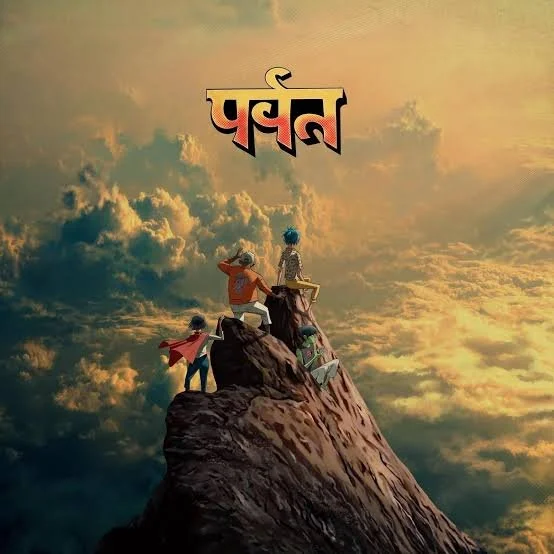
Gorillaz reach a new peak with The Mountain in their 28-year career.
I’ve been a fan of Gorillaz ever since I first saw the “19-2000” music video on MTV as a kid. I already loved cartoons, and I had a surprisingly solid taste in music for a toddler, so seeing those two worlds collide hooked me instantly. That connection only deepened when “Feel Good Inc.” dropped, which I still think has one of the greatest hooks ever written. It got to the point where I would ask to record their music videos on VHS or try to record them on any other device whenever they popped up. What made Gorillaz stick wasn’t just the music; it was the world around it. A virtual band made up of 2D, Murdoc, Noodle, and Russel, brought to life by Damon Albarn and artist Jamie Hewlett, Gorillaz always felt bigger than a typical group. They weren’t just making songs. They were building stories.
In 2010, Gorillaz dropped one of my favorite albums, Plastic Beach. Plastic Beach perfected the Gorillaz formula that would be relied on for every album after: collaboration, experimentation, and storytelling through both sound and animation. The album leans into a more electronic style while bringing in artists from across genres, Beneath that, it explores themes of pollution and environmental decay, all wrapped in some of their most memorable tracks and expanded their story with their music videos: “Stylo”, “Empire Ants”, “Rhinestone Eyes”, and my personal favorite, “On Melancholy Hill” (I’ll dive deeper into Plastic Beach’s story and tracks in a future post.) The whole theme of finding love in a world filled with plastic and fakeness is what really got me attached to the album; it is put together perfectly, from how and why it was created.
The Mountain
Five albums later, Gorillaz released The Mountain, which I consider Gorillaz's most underrated project and easily my new favorite album from them. It feels like a spiritual successor to Plastic Beach, pushing their signature blend of collaboration and experimentation even further. At the same time, it explores deeper themes: spirituality, the end of cycles (relationships/moments in life), and ultimately, death itself.
Before even touching the album, the short film “The Mountain, The Moon Cave, and The Sad God” should be viewed first. It is a mix of three songs (of the same names) from the album and gives an overall feel for The Mountain. The film is entirely hand-drawn and heavily references The Jungle Book/early Disney. My interpretation of the short film is that it takes place in the afterlife, mostly from Noodles' perspective. It shows her and the band's journey to the top of the mountain, where, in the end, she meets what I’m assuming is death and jumps into the river to end that cycle. Whether it is permanent or there will be a reincarnation is yet to be known.
The album itself may take a few listens for it to click. It is very different from popular American music and is a concept album, so it revolves around one sound and theme. The album is a mix of Indian and Middle Eastern cultures, featuring at least 5 different languages. It is more of an experience than anything to me. The album starts off with the Mountain, which acts as the overture to the album. It is very mystical and is easy to get lost in. The song concludes with a myriad of voices repeating “The mountain, all good souls come to rest”, which shines light on the major theme of the album, death. Death and the culture featured on the albums are because of the co-creators of the bands (Damon Albarn and Jamie Hewlit) fathers passing away and them visiting India to help on their healing journey after their passing. The band, being an avatar for Damon and Jamie, can create a whole different avenue for them to express their grief.
The Moon Cave
One of the other songs featured in the short film, “The Mooncave,” has a live performance on SNL, which really sold me on this song and album. After seeing the ensemble, the video played on stage, and the level of collaboration it took, I began to understand the care put into creating the album. The song itself feels like such a contrast to earlier hits such as Feel Good Inc (a song about fame and addiction) or Dirty Harry (“I ain't happy, I'm feeling glad, I got sunshine in a bag, I'm useless, but not for long, The future is comin' on), the Moon Cave feels a lot more hopeful. It’s clear how much the band has grown over the years and how much more at peace it has become. The characters even look happier in the video compared to previous iterations. Though it features lyrics such as,
“If you’re leaving, Don’t make it harder than it is. Let me know, so I can say goodbye”.
Those lines alone show that after years of growth, spirals, and redemption, saying goodbye to someone is one of the hardest things to do. Whether it is voluntary through breakups or involuntary through death, loss is a rough experience to process.
The Happy Dictator
Moving on from the Mooncave is the first single off the album “The Happy Dictator”. In hindsight, I feel that this was an odd choice for a single. It doesn’t really fit the vibe of the rest of the album with a more political tone. Not surprising for Gorillaz, but after hearing the whole album, it feels out of place. Though it is one of the best songs on the album, I love the undertones to it. Damon talks about how the song is inspired by his trip to Turkmenistan, where the government heavily censors news. It’s one of the strictest regimes in the world regarding the flow of information to its people, giving people only positive news on their country and its affairs.
Though I could argue that this song perfectly fits another very popular world leader. One with cult-like followers who tout the GDP, stock market, and military prowess as reflections of a thriving country rather than metrics that should be focused on, such as education, average household income, housing, and even food security. A world leader who has allegedly been appointed by Jesus himself to aid in the destruction of an entire population of a certain country. Especially with lyrics such as “I am the one to save your soul” or “Are you not better off than ever? Are you not better off right now?”
Here are the rest of the lyrics so you can see where I am coming from!
The Hardest Thing & Orange County
The next two songs, “The Hardest Thing” and “Orange County,” play into each other, and both play on the ending of two major cycles: relationships and death. Tony Allen is featured on “The Hardest Thing,” who passed back in 2020. Many of the songs on this album feature artists who have since passed away, leaving behind these tracks for Gorillaz to use. Those who have passed include Dave Jolicoeur, Bobby Womack, Mark E. Smith, Tony Allen, Dennis Hopper, Proof, and Asha Bhosle.
Orange County, in my eyes, is about ending relationships. Damon Albarn (yes, the creator of the song) says that it is about death, but I can't just see that. As dramatic as it sounds, you are losing someone at the end of the relationship, sometimes never seeing or speaking to that person again. “The hardest thing is to say goodbye to someone you love.” Things just may not work for some people. People serve a purpose, or it’s just a moment in time; one of the hardest things to do is to say goodbye.
The only miss on the album for me is “The God of lying”; it feels like they’re trying to recapture their earlier sound. I was excited to see IDLES featured on the album, but it didn’t really do much for me. The rest of the album is full of highs, such as “The Empty Dream Machine”, “The Manifesto”, “The Plastic Guru”, “Damascus”, and “Shadowy Lights”.
The End: The Sad God
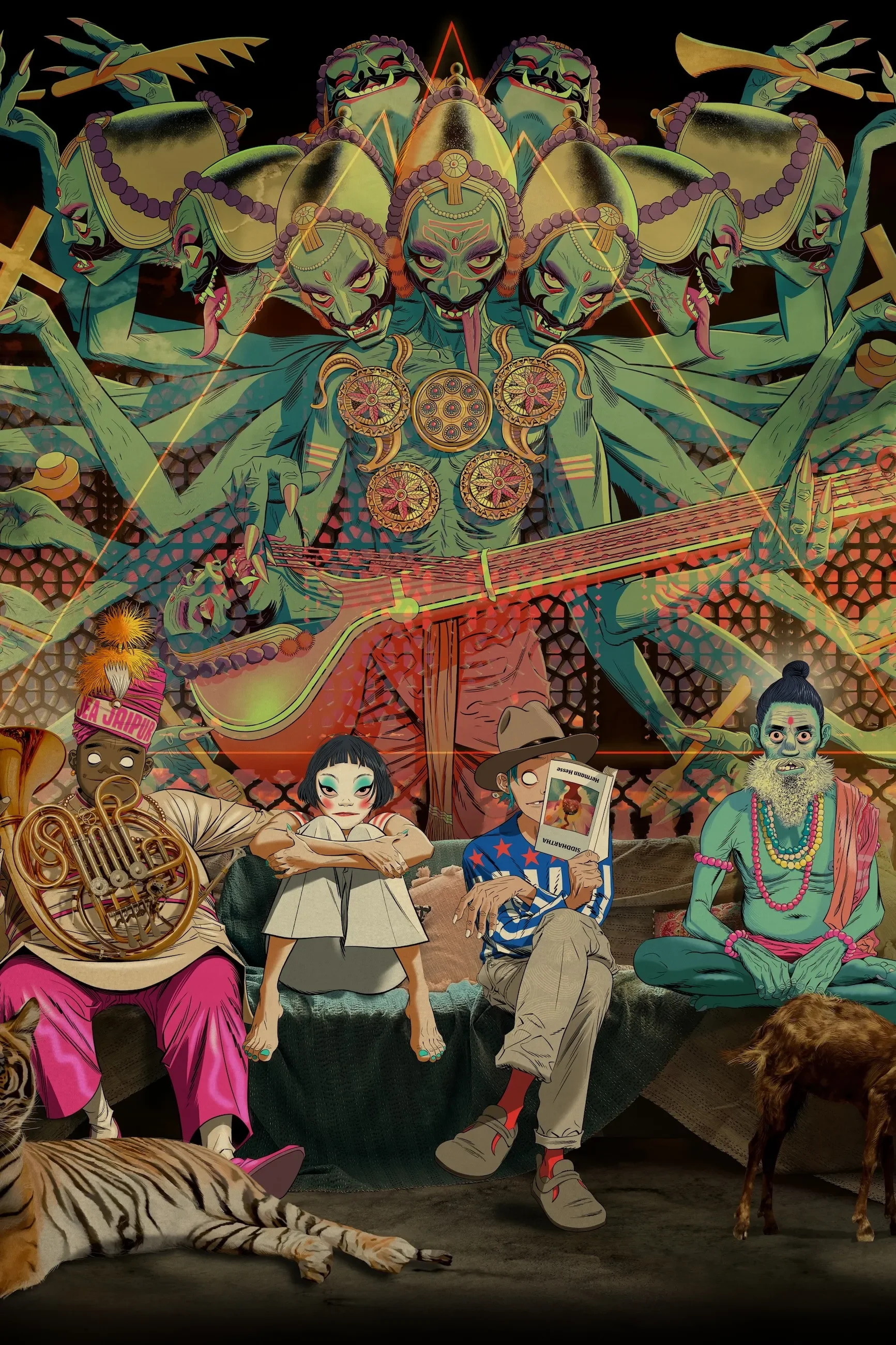
With all the highs, “The Sad God” sticks out to me because of all the questions it leaves me with. Did we as humans go too far as to disappoint our creator? Were we ever supposed to reach a level of technology capable of destroying everything? Were we supposed to advance so much that we eventually destroy that relationship with God? What was the purpose of it all if the only thing that will surpass us is the technology we’ve created?
It’s hard not to think about the cause and effect of humanity from the perspective of humanity's creator with lyrics such as:
“I gave you white sails to reach the sun; I gave you atoms; you built a bomb. Now there is nothing, and I have gone, no more Mountains, no more songs. No more prayers sent up into space, Only Screens left to see your face.”
Especially with all the turmoil in the world, would god be happy with how far we took our free will?
It is obvious how much care was put into the album. I love that it respects other cultures, that it sticks to their roots of collaboration, and once again made an album that feels very personal. It reflects the cycles we all go through, the people we lose, and the versions of ourselves we leave behind. It reminds us that endings, no matter how painful, are often necessary for something new to begin. And even if we don’t fully understand what comes next, there’s something powerful in taking that step forward anyway.